Care as a Creative Practice
Notes from February: the quiet work of sustaining creative lives.

Written by Victoria Castillo Abdallah
Winter is finally in the rearview. As we March (pun intended) into spring, we wanted to share a few highlights from February’s frosty finale.
Seasons change. Life passes. And the act of commemorating what remains situates us somewhere in time.
While archiving papers and books at Materials for the Arts, fellows briefly stepped into the past. Tucked inside a folder from the nineties was an old SoHo artists’ studio lease for $300 a month. Can you imagine?
Handling those documents, along with patinated birthday invitations and tracing paper filled with unfinished sketches, felt like traveling backwards. It was a quiet reminder that creative ecosystems evolve, yet always remain in conversation with what came before.
They are built, sustained, and remembered through acts of care.
Over the past few weeks, Repurpose fellows explored this idea of care through dialogue, material culture, and mentorship. Here are a few highlights.
A Conversation with Gwen Whiting
In a live conversation between our founder Jessie Freschl and Gwen Whiting , founder of The Laundress and now The Fill, fellows heard a candid reflection on the non-linear nature of vocational journeys.
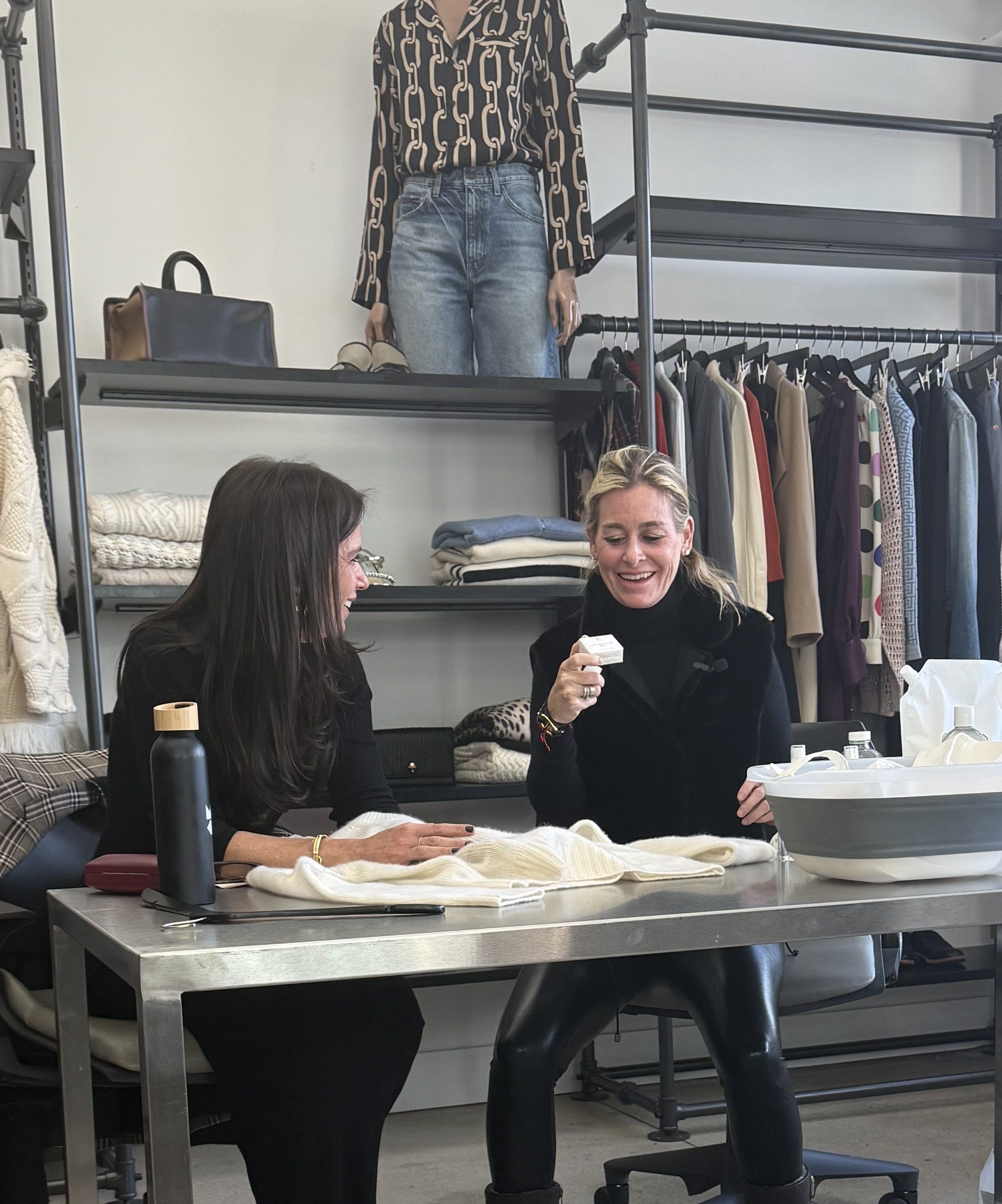
Over seventeen years, Whiting built The Laundress from a bootstrapped idea into a globally recognized brand that was ultimately acquired by Unilever in 2019. After stepping away, she later returned to the cleaning world with a renewed sense of purpose, launching The Fill, a private members cleaning community centered on sustainability and wellness.
“Pivoting is inevitable,” Whiting explained. Few careers unfold in a straight line, and creative longevity often depends on the willingness to evolve and begin again. Her story resonated with many of our fellows as they transition from academia into the labor market.
She also emphasized the importance of relationships. We exist in a feedback loop with our clothes, with ourselves, and with each other. Nurturing those connections shapes both personal and professional growth.
Field Trip to Materials for the Arts
Later in the month, fellows visited Materials for the Arts, a New York institution dedicated to keeping creative materials in circulation and out of landfills. The warehouse feels a bit like a fever dream, a maze of decorative arts, traces of artists in residence, and objects waiting for their next shape or home.
During the visit, fellows assisted with archival work, organizing books, papers, and other materials connected to our creative history. Handling these objects offered a glimpse into the infrastructures that have supported artists and designers across generations.
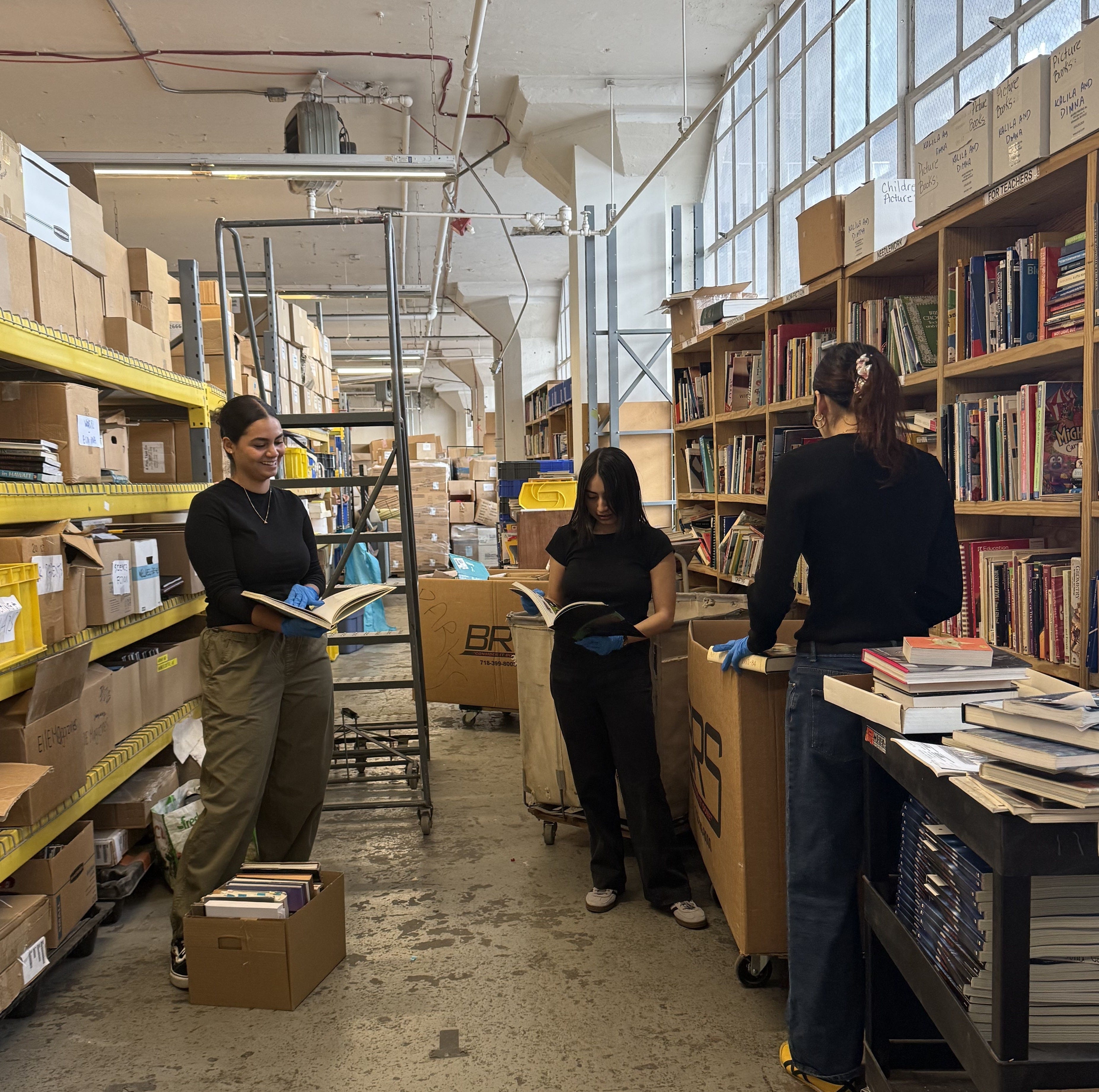
Moments like this underscore the importance of organizations like Materials for the Arts. By preserving materials and redistributing resources, they care not only for objects but also for the creative ecosystems those objects once sustained.
Mentor Session with Alyssa Bruno
Our mentor session with Alyssa offered a different perspective on care, focusing on the realities of building a creative life today.
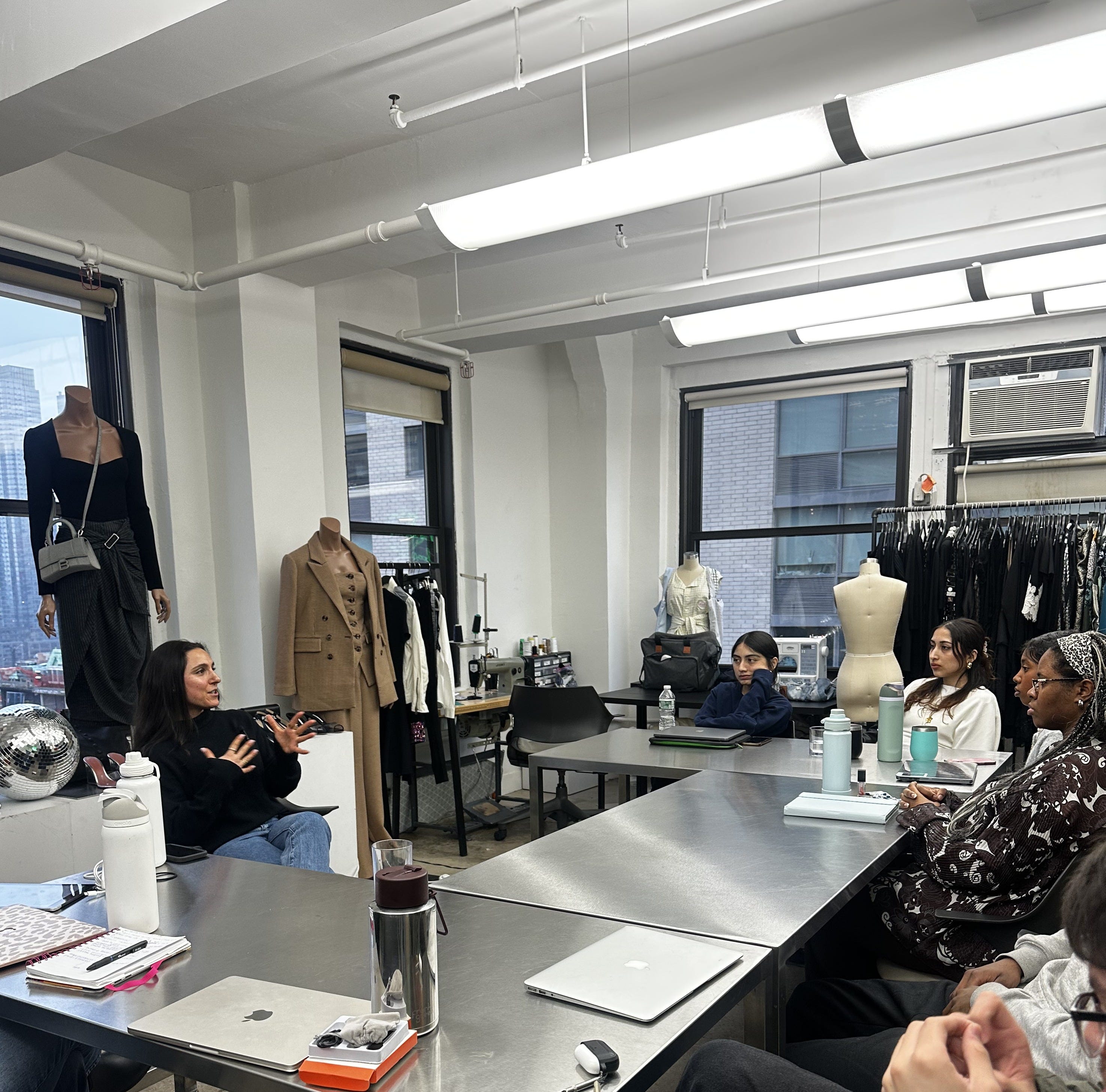
A wellness and yoga content creator, Bruno shared insights into digital platforms and personal branding. One of the most resonant aspects of her story was how she balances creative work with professional stability. Alongside her growing presence as a creator, she continues to work in a corporate role at Macy’s.
For many emerging creatives, this dual path feels familiar. Creative careers often develop gradually, supported by parallel professional work.
Bruno’s perspective highlighted another form of care, protecting the creative self. Building a sustainable creative practice requires patience, discipline, and the willingness to grow at a pace that supports both ideas and livelihood.
Final Reflection
Creative work is often remembered for moments of inspiration or breakthrough. Yet those moments are sustained by quieter forces that are not always visible.
Care appears in many forms. In relationships that open new doors, in institutions that preserve the materials of past creative lives, and in the daily choices people make to nurture their creative practices.
If creativity builds the visible structures of a cultural ecosystem, care is what allows those structures to endure.